

Creating a productive home office space can transform the way you work from home. A well-designed environment not only helps you stay focused but also supports your well-being throughout the workday. Whether you’re setting up a new space or improving an existing one, these tips will guide you in creating an efficient and comfortable home office.
Choose the Right Location
The first step in creating a productive home office is selecting the right spot. Ideally, your workspace should be quiet and free from distractions. Consider these factors when picking a location:
– Natural Light: Try to position your desk near a window. Natural light can boost mood and energy levels.
– Privacy: Choose a place where you won’t be interrupted by family members or housemates.
– Space: Ensure there is enough room for your desk, chair, and any other essentials without feeling cramped.
If you don’t have a separate room, a quiet corner with a room divider or screen can work well.
Invest in a Comfortable Chair and Desk
Ergonomics play a big role in productivity. Sitting for long hours can lead to discomfort or health issues if your setup isn’t comfortable.
– Chair: Look for an adjustable chair that supports your lower back and allows your feet to rest flat on the floor.
– Desk: Choose a desk at the right height so your arms can rest comfortably while typing or writing. Standing desks or adjustable desks are great options for alternating between sitting and standing.
Keep Your Workspace Organized
An organized desk helps clear your mind and reduces stress. Here are some ways to keep your space tidy:
– Use storage solutions such as shelves, filing cabinets, or bins to keep paperwork and supplies in order.
– Limit the number of items on your desk to essentials only.
– Regularly declutter your workspace, removing unneeded papers or tools.
Optimize Lighting
Good lighting is essential for reducing eye strain and maintaining alertness.
– Combine natural light with artificial lighting, such as desk lamps or overhead lights.
– Use soft white bulbs to reduce glare and avoid harsh shadows.
– Position lights so they illuminate your work area without creating screen reflections.
Minimize Distractions
Keeping distractions at bay is key for sustained focus, especially when working from home.
– Turn off notifications on your phone and computer for non-essential apps.
– Use headphones with ambient or instrumental music to block out background noise.
– Set boundaries with family or housemates to respect your working hours.
Personalize Your Space
Adding personal touches can make your workspace inviting and motivating.
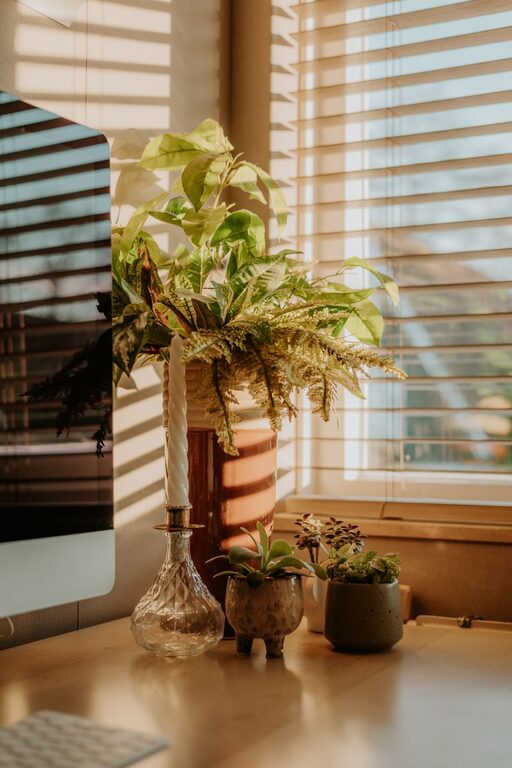
– Decorate with plants, photos, or artwork that inspire you.
– Choose colors and accessories that make you feel comfortable and energized.
– Keep a water bottle or healthy snacks nearby to stay refreshed.
Utilize Technology and Tools Wisely
Technology can enhance your productivity if used properly.
– Ensure your internet connection is stable and fast.
– Use productivity tools such as calendars, task managers, or communication apps to stay organized.
– Keep cords and chargers neatly arranged to avoid clutter.
Establish a Routine and Separate Work from Leisure
Finally, creating a productive home office isn’t only about the physical space. Your habits matter too.
– Set regular working hours and stick to them.
– Take scheduled breaks to rest your eyes, stretch, and reset your focus.
– When work is over, leave your workspace to mentally switch to personal time.
Conclusion
Designing a productive home office space involves careful planning and attention to comfort, organization, and environment. By choosing the right location, investing in ergonomic furniture, minimizing distractions, and personalizing your setup, you’ll create a workspace that supports focus and efficiency. Remember, a dedicated and pleasant home office helps maintain a healthy work-life balance and makes working from home more rewarding.