

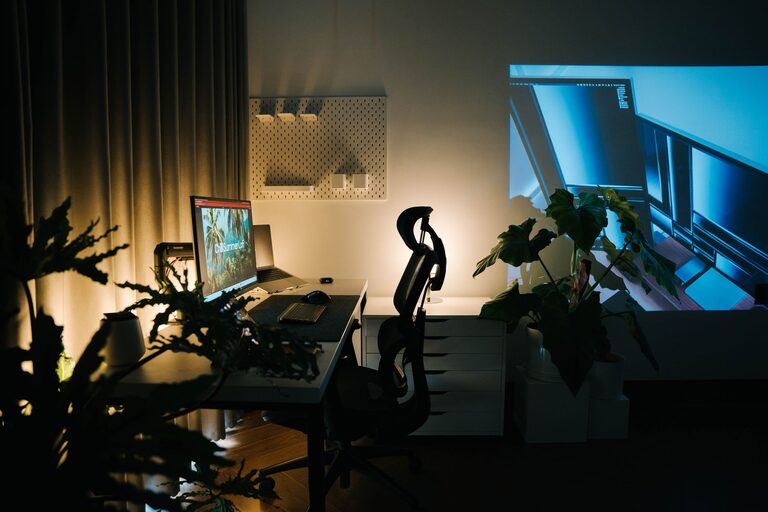
Creating a cozy and functional home office space is essential for anyone working from home or needing a dedicated area for tasks like studying, writing, or managing household affairs. A well-designed home office not only improves productivity but also makes working at home more enjoyable and less stressful. Whether you have a spare room, a corner of your living room, or a nook in your bedroom, these tips will help you set up a space that feels inviting and supports your workflow.
1. Choose the Right Location
The location of your home office plays a big role in its comfort and function.
– Natural Light: Try to pick a spot near a window. Natural light can boost your mood, reduce eye strain, and make your workspace more pleasant.
– Quiet Area: Select a quiet part of your home to minimize distractions.
– Privacy: If possible, choose a space where you can close the door or separate your office area with a room divider for added privacy.
If space is tight, consider creative setups like a fold-out desk, a wall-mounted workspace, or even a converted closet.
2. Invest in Comfortable and Supportive Furniture
Your office furniture impacts how long you can work comfortably.
– Ergonomic Chair: A comfortable chair with good lumbar support helps prevent back pain.
– Desk Height: Ensure your desk height allows your arms to rest comfortably while typing or writing.
– Adjustable Features: Furniture with adjustable height or angles can help you customize your setup.
– Additional Seating: If space allows, a small lounge chair or bench creates a cozy reading or brainstorming spot.
Try your furniture before buying, or choose well-reviewed items if shopping online.
3. Organize for Efficiency and Clarity
Clutter can hurt focus and increase stress. Good organization keeps your office neat and functional.
– Storage Solutions: Use shelves, filing cabinets, or storage bins to keep papers and supplies organized.
– Desk Accessories: A pen holder, cable organizer, and document trays help reduce clutter on your desk.
– Digital Organization: Back up your files digitally and maintain a tidy computer desktop.
– Daily Clean-up: Spend a few minutes at the end of each workday tidying your space.
Labeling items or using color codes can make finding things faster and easier.
4. Personalize Your Space
A home office that reflects your personality feels more inviting and can inspire creativity.
– Colors: Choose colors that calm and motivate you. Soft blues, greens, and neutrals tend to create soothing atmospheres.
– Plants: Adding greenery improves air quality and adds a fresh, lively touch.
– Artwork: Hang favorite prints or photos that bring you joy.
– Lighting: Besides natural light, use desk lamps or soft string lights to create a warm ambiance.
Avoid overdecorating to maintain a clutter-free environment.
5. Pay Attention to Lighting
Proper lighting reduces eye strain and creates the right mood for work.
– Task Lighting: A focused desk lamp helps when reading or writing.
– Ambient Lighting: Overhead lights or floor lamps evenly illuminate the room.
– Adjustable Intensity: Consider dimmable lights to adjust brightness based on the time of day.
Try to minimize glare on your computer screen, positioning lights to the side rather than directly behind or in front of the monitor.
6. Manage Technology Thoughtfully
Technology is vital in a home office, but it should support your work without creating distractions.
– Quality Equipment: Use reliable computers, printers, and internet connections to avoid interruptions.
– Cable Management: Tidy cables with clips, sleeves, or boxes to keep your desk clean and safe.
– Use Headphones: Noise-canceling headphones can help block background noise, improving concentration.
– Charging Station: Set up a charging area for your devices to keep them organized and ready to use.
Backup essential data regularly and update software to maintain performance and security.
7. Design a Flexible Workspace
Sometimes tasks differ, and having flexibility can keep your workspace practical.
– Standing Desk Options: A convertible standing desk allows you to alternate between sitting and standing, which is good for health.
– Multi-use Furniture: Choose pieces that double as storage or seating when needed.
– Clear Surfaces: Keeping your desk often clear lets you switch between work styles easily (writing, computer work, crafting).
– Portable Elements: Items like lap desks or rolling carts can add flexibility and mobility.
Flexibility helps maintain comfort throughout the day and prevents stiffness or fatigue.
8. Incorporate Wellness Elements
Your home office should promote good health habits along with productivity.
– Air Quality: Open a window when possible or use a small air purifier.
– Hydration: Keep a water bottle nearby to stay hydrated.
– Movement: Set reminders to stretch or take brief walks.
– Break Space: If space allows, create a small area for relaxation or quick breaks.
A balanced workspace supports long-term well-being.
—
Final Thoughts
A cozy and functional home office is about balancing comfort with organization and efficiency. By considering location, furniture, lighting, and personalization, you create a space that not only helps you get work done but also makes the experience enjoyable. Small changes or additions can greatly improve how you feel and perform during your workday. Take time to design a workspace that suits your specific needs, and don’t hesitate to adjust it as those needs evolve.
Working from home can be a pleasure when your home office feels just right!