

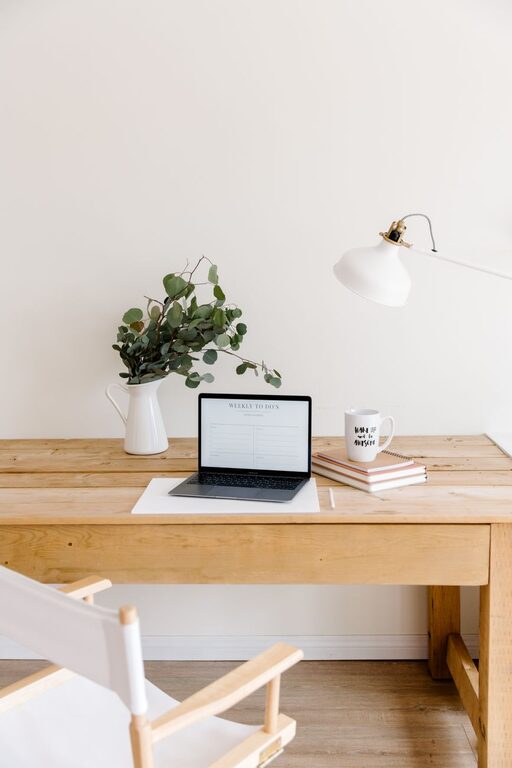
Creating a home office that balances coziness and productivity can transform your work-from-home experience. With thoughtful design and organization, your workspace can become a place where you feel comfortable, motivated, and efficient. Whether you’re setting up a brand-new office or revitalizing an existing one, these tips will help you create an inviting environment that supports your best work.
1. Choose the Right Location
Selecting the ideal spot for your home office is the first step. Look for a quiet area with minimal distractions and sufficient space for your desk and equipment. Natural light is a plus, so consider sitting near a window if possible. A separate room is ideal, but even a corner of a living room or bedroom can work well with the right setup.
2. Invest in Ergonomic Furniture
Comfort is key to maintaining productivity during long work hours. Here’s what to focus on:
– Desk: Choose a desk that fits your work style. If you prefer to stand occasionally, consider a height-adjustable desk.
– Chair: Invest in an ergonomic chair with adjustable height, lumbar support, and comfortable cushioning to prevent back pain.
– Monitor and Keyboard: Position your monitor at eye level and use an ergonomic keyboard and mouse to minimize strain.
3. Optimize Lighting
Good lighting reduces eye strain and boosts concentration. Combine natural light with adjustable artificial lighting:
– Natural Light: Position your desk to maximize daylight without glare on your screen.
– Task Lighting: Use a desk lamp with adjustable brightness to focus light where you need it.
– Ambient Lighting: Soft overhead lighting can create a warm atmosphere without being harsh.
4. Declutter and Organize
A clutter-free workspace helps clear your mind. Use storage solutions that keep essentials within reach while hiding away distractions:
– Shelves and Cabinets: Store books, documents, and supplies neatly.
– Desk Organizers: Use trays, pen holders, and drawer dividers to keep your desktop tidy.
– Cable Management: Use clips or tubes to organize cords and prevent tangles.
5. Personalize Your Space
Adding personal touches can make your home office feel more inviting and comfortable:
– Artwork and Photos: Hang inspiring prints or family photos.
– Plants: Indoor plants improve air quality and add a calming touch.
– Textiles: Use cushions, rugs, or curtains to add texture and warmth.
6. Minimize Noise and Distractions
Creating a quiet environment helps improve focus:
– Soundproofing: Use rugs, curtains, and soft furnishings to absorb sound.
– White Noise: Consider a white noise machine or soft instrumental music to mask background sounds.
– Notifications: Turn off non-work-related phone and computer notifications during work hours.
7. Establish a Routine and Boundaries
Having a dedicated space is important, but so is creating habits that support productivity:
– Set Work Hours: Treat your home office like a regular job with clear start and end times.
– Breaks: Take short breaks to stretch and relax your eyes.
– End-of-Day Ritual: Organize your space at the end of each day to signal that work time is over.
8. Keep Technology Up-to-Date
Reliable technology supports a smooth workflow:
– High-Speed Internet: Ensure your connection is fast and stable.
– Accessories: Use quality headphones, a webcam, and a microphone if you attend virtual meetings.
– Backup: Regularly back up important files to avoid data loss.
Final Thoughts
Designing a home office that blends comfort with productivity doesn’t have to be complicated. By choosing the right location, investing in ergonomic furniture, and personalizing your space, you can create an environment that makes working from home enjoyable and efficient. Remember, the goal is to build a space that supports your well-being and helps you focus — and with these tips, your perfect home office is within reach.